
How to Grow Thick Hair Without Turning Your Bathroom Into a Lab
Every hair-growth conversation online goes from normal to unhinged in about six seconds. One minute you are wondering how to grow thick hair, the next you are looking at twelve supplement bottles, three oils, a scalp brush, and a jar of rice water like you accidentally enrolled in beauty chemistry.
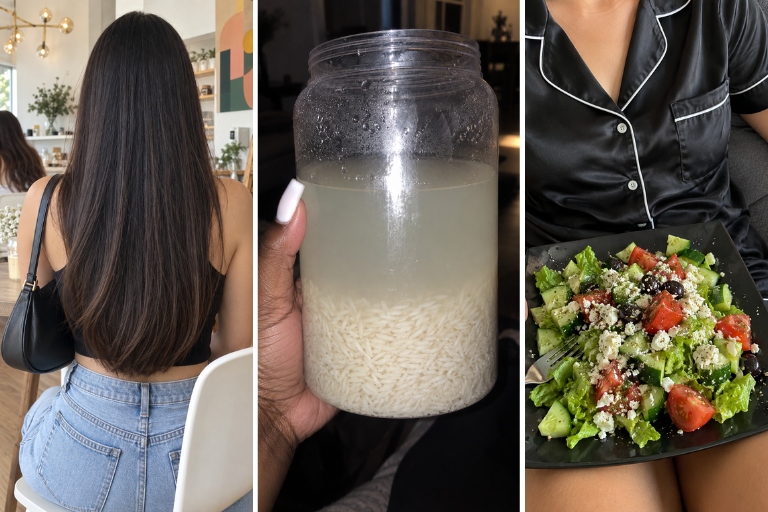
Here is the actually useful part: thicker hair is not one single problem to solve. Density, strand diameter, breakage, shedding, genetics, nutrition, scalp health, hormones, and styling damage all affect how full your hair looks. You may not be able to rewrite your genetics, but you can stop sabotaging the hair you already have and give your follicles a much better environment to do their job.
Start with the least glamorous hair product: your actual meals
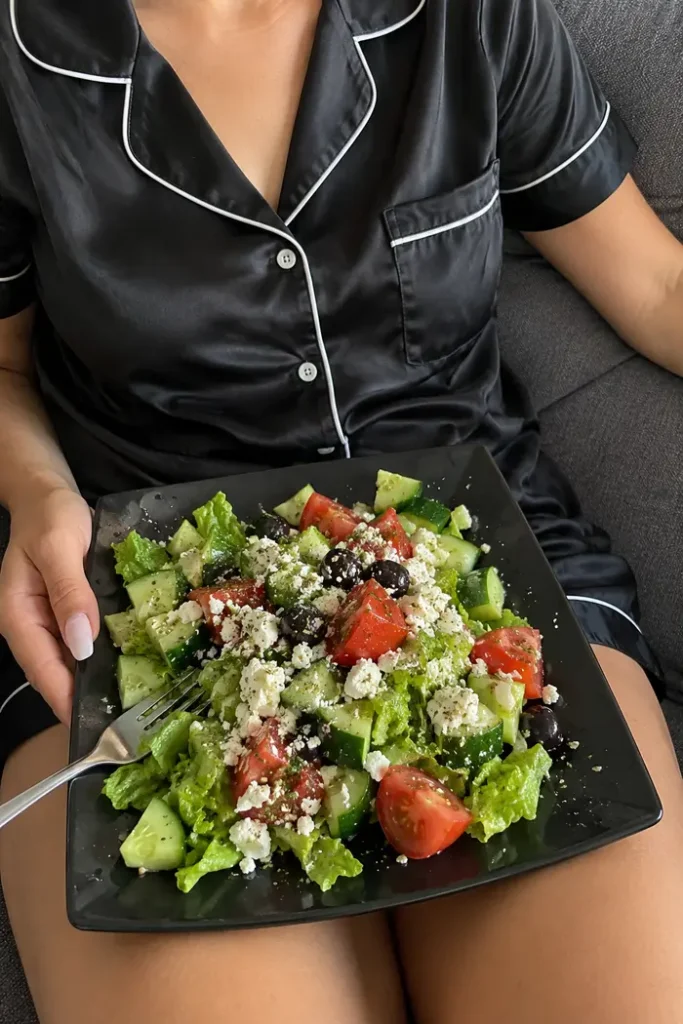
A giant crunchy salad looks very wellness-girl coded, but hair does not grow on lettuce and good intentions alone. Hair is made mostly of keratin, a protein, and your follicles need enough overall energy and nutrients to keep producing it. Translation: if you are regularly under-eating, skipping protein, or living on coffee until dinner, no fancy oil is going to negotiate with biology for you.
Build real meals around a solid protein source, then add iron-rich foods, colorful produce, whole-food carbs, and fats you actually enjoy. Eggs, fish, dairy, tofu, beans, lentils, meat, nuts, seeds, and leafy greens can all fit, depending on how you eat. The goal is not a perfect “hair diet.” It is simply giving your body enough to work with consistently.
This matters even more if your shedding picked up after a strict diet, rapid weight loss, a stressful stretch, or a period when you were barely eating enough. Hair is not the first thing your body prioritizes when resources are tight, which is rude, but very on-brand for biology.
Know the difference between long hair and dense hair
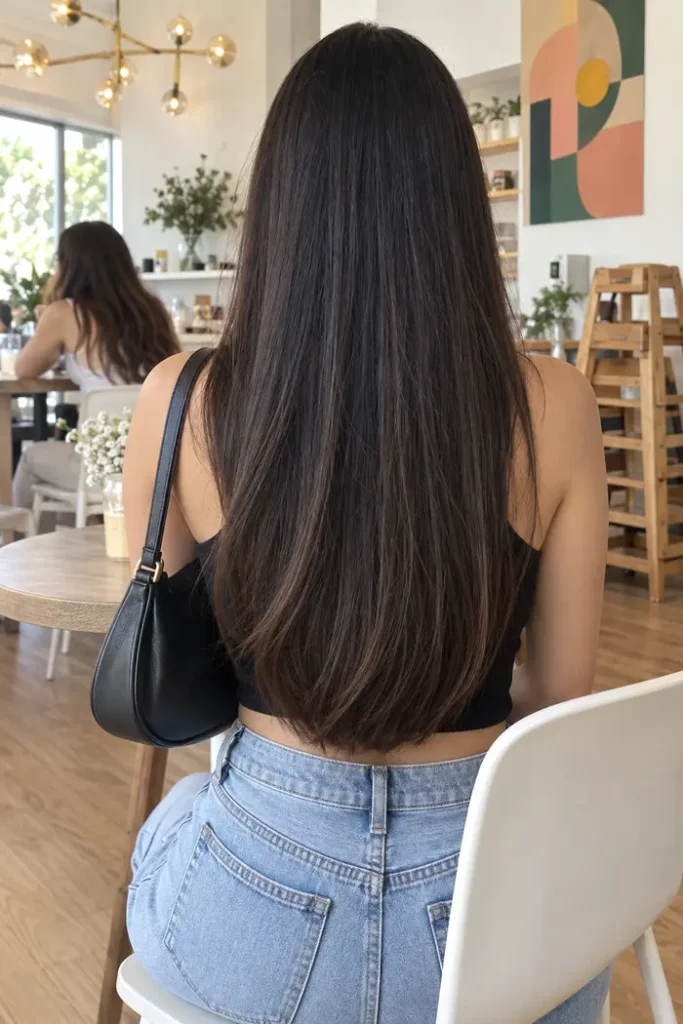
That super-long, glossy dark hair is the dream, obviously, but length and thickness are not the same thing. “Thick hair” can mean you have lots of individual strands packed closely together, that each strand has a larger diameter, or simply that your ends are healthy enough to stay full instead of snapping off as fast as they grow.
That distinction changes what you should do next. If your hair has always been fine but healthy, you are mostly working with genetics and styling. If your ponytail suddenly feels smaller, your center part looks wider, your temples are changing, or you are shedding much more than usual, that is a different conversation. At that point, the goal is not just “make it look thicker.” It is figuring out why you are losing density in the first place.
And if your hair grows but never seems to get past a certain length, inspect the ends before blaming your scalp. Split, brittle, see-through lengths can make healthy growth feel invisible because the bottom keeps breaking while the top keeps growing.
Supplements only help when they solve a real problem
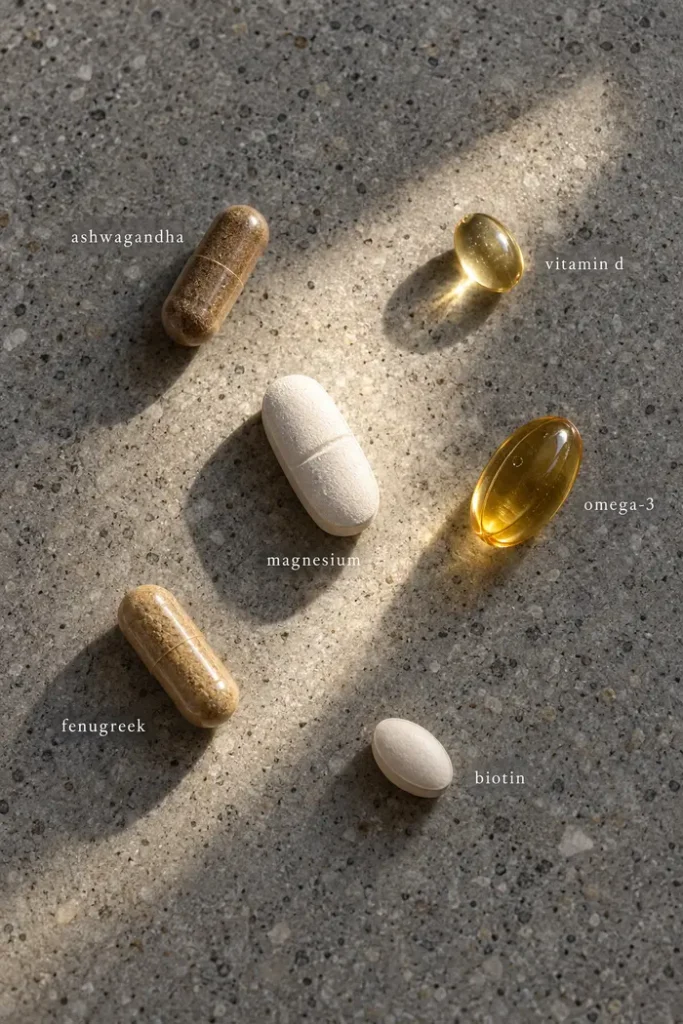
A pretty flat-lay of ashwagandha, vitamin D, omega-3, magnesium, fenugreek, and biotin looks very convincing. It is also not a prescription. Correcting a real nutrient deficiency can absolutely matter when that deficiency is contributing to shedding, but taking more of something when your levels are already fine does not automatically supercharge hair growth.
Biotin deserves an especially raised eyebrow because it is marketed for hair everywhere. True biotin deficiency is uncommon, and high-dose biotin can interfere with some laboratory tests. So before you build a supplement tower on your nightstand, ask a clinician whether your symptoms and history actually point to a deficiency or another cause. They may decide bloodwork makes sense based on your situation.
The same rule applies to trendy herbal capsules. “Natural” does not mean universally useful, risk-free, or necessary. If you take medication, are pregnant, are trying to conceive, or have a health condition, that random TikTok supplement deserves a conversation with your doctor before it earns a permanent spot next to your skincare.
A healthy scalp matters more than a crowded shelf
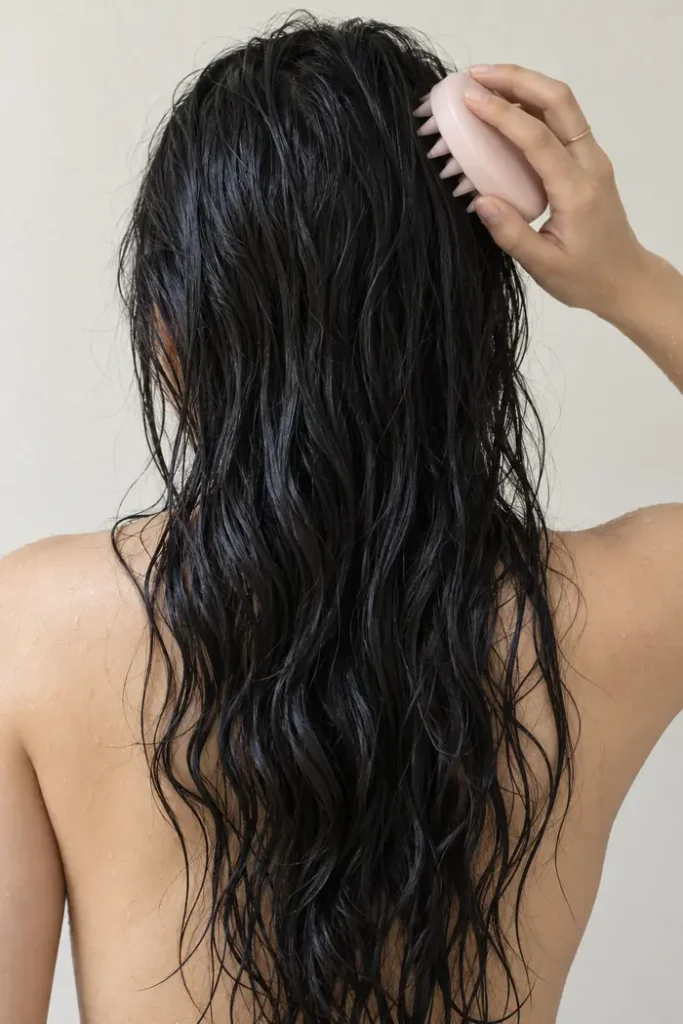
Your scalp is skin, not sacred land that shampoo must never touch. If it is oily, sweaty, itchy, flaky, or carrying four days of dry shampoo and styling product, wash it. Cleanse often enough that your scalp feels comfortable, focus shampoo at the roots, and let conditioner do its thing through the mid-lengths and ends.
A soft scalp brush like the pink one here can make wash day feel ridiculously satisfying, and gentle massage is fine if you enjoy it. There is some limited research suggesting scalp massage may affect hair thickness, but it is not strong enough to treat massage like a miracle growth method. Think a few gentle minutes with your fingertips or a flexible brush, not an aggressive scrub session that leaves your scalp sore.
If you have persistent dandruff, redness, burning, tenderness, heavy scaling, or nonstop itch, deal with the scalp issue instead of piling oils on top of it. An irritated scalp deserves treatment, not a rosemary-castor-coconut cocktail and a prayer.
Rice water can be a hair-care trick without being a growth miracle
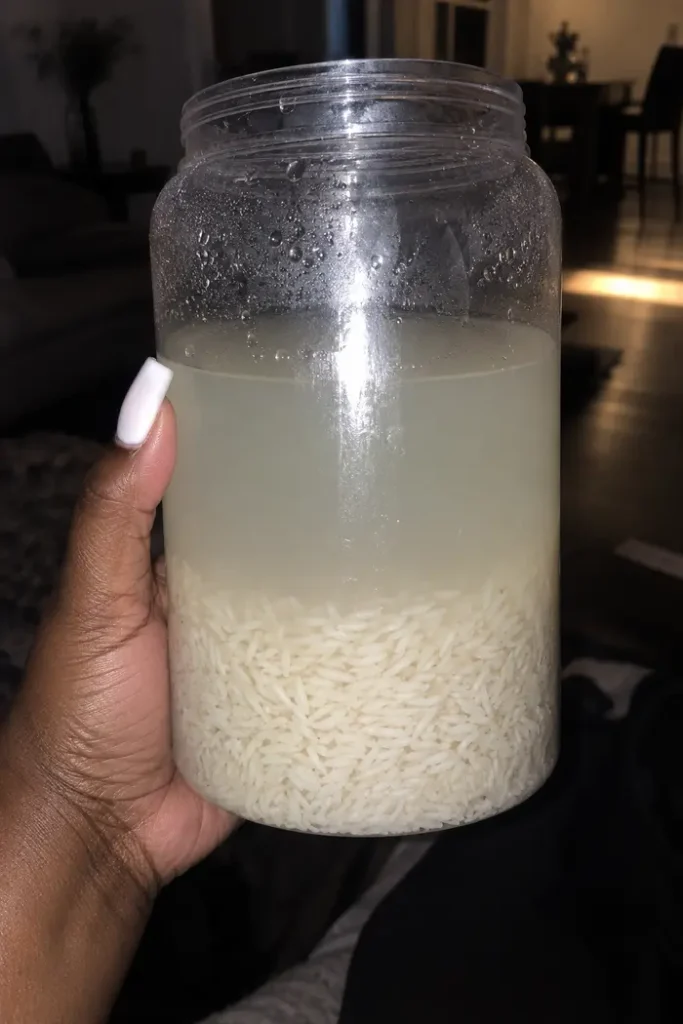
Yes, the cloudy rice-water jar gets its own moment because the internet is obsessed with it. Rice water contains starch that can coat the hair surface, which may make strands feel smoother and reduce friction. If your hair feels softer, tangles less, and breaks less when you use it, great. That is a real cosmetic benefit.
What it has not earned is a guaranteed “grow three inches by next Tuesday” reputation. There is not strong evidence that rice water makes human hair follicles grow faster. So use it as a conditioning experiment, not as your entire hair-growth strategy.
If you want to try it, keep the process simple. Use a clean jar, soak and strain the rice water, apply it to the hair, rinse thoroughly, and stop if your scalp gets irritated or your lengths start feeling stiff and coated. You do not need to ferment it until your bathroom smells like a science fair for it to count as self-care.
Protect the hair you already managed to grow

This chocolate-brown, layered hair looks so full because the lengths still have movement, shine, and a solid-looking perimeter. A haircut cannot change how many follicles are on your scalp, but the right cut can make the hair you have look much denser. Long layers can give movement without shredding the ends, while too much thinning can make fine hair look wispy fast.
Then there is breakage, the sneaky thief of every “why won’t my hair grow?” story. Daily high heat, repeated passes with a flat iron, rough detangling, aggressive bleaching, tight ponytails, and constant tension at the hairline can all chip away at the length you worked months to grow.
Use heat protectant when you style, choose the lowest temperature that gets the job done, detangle gently from the ends upward, and rotate tight styles with looser ones. If your hair is fragile, treat the bottom few inches like vintage lace. They are the oldest part of your hair, and they have already survived every wash day, blowout, vacation, color appointment, and questionable decision that happened along the way.
Track progress in months, not wash days
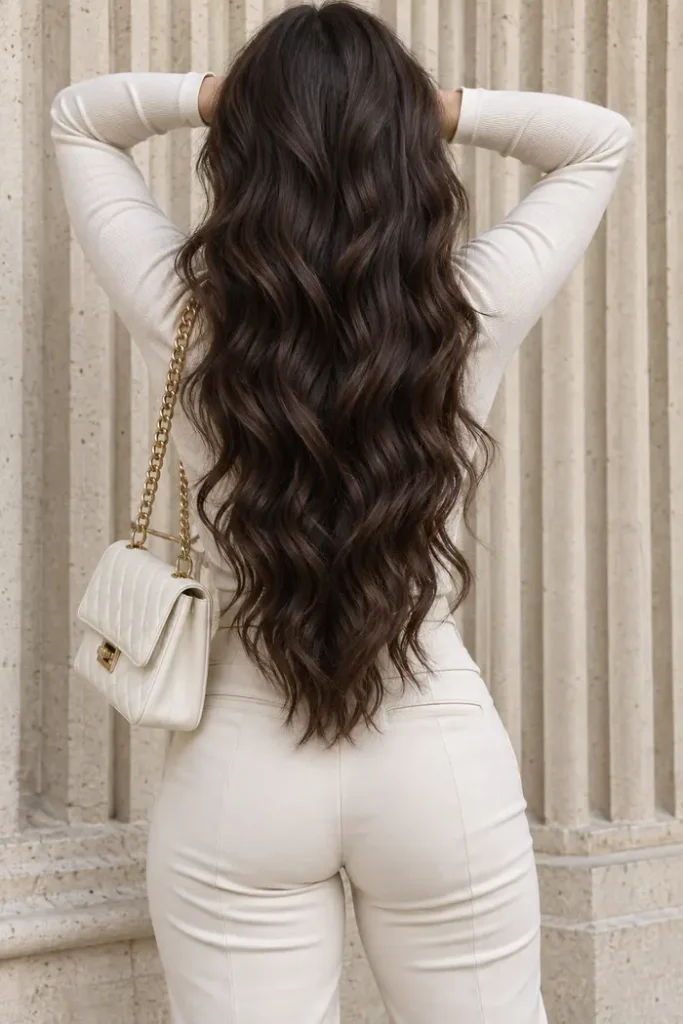
Waist-length waves do not happen because somebody found one magical Tuesday-night treatment. Hair growth is slow, and visible fullness takes even longer because new growth has to travel all the way down before it changes the look of your lengths.
Give a sensible routine enough time to show you something. Take a photo of your part, hairline, and overall length in similar lighting every month or so instead of inspecting your roots twice a day like they owe you rent. Keep the basics steady, and do not change five products at once or you will never know what actually helped.
Also, be suspicious of anything promising dramatic growth in a couple of weeks. Hair is not a lash extension. Patience is annoying, but it is still part of the routine.
Know when thicker-hair tips are not enough
If your part is progressively widening, you are seeing smooth bald patches, your hairline is receding, you are shedding handfuls for weeks, or your scalp is painful and inflamed, book a dermatologist instead of buying another serum. Hair loss can have different causes, and the right treatment depends on the cause.
For female-pattern hair loss, topical minoxidil is one of the best-supported over-the-counter options, but it is still worth getting the diagnosis right before you commit to a treatment. A dermatologist can also look for other reasons behind shedding and tell you whether medication, bloodwork, or a different scalp treatment makes more sense. If you are pregnant, trying to conceive, or breastfeeding, talk with your clinician before using hair-loss treatments.
The earlier you investigate true thinning, the better. There is a huge difference between hair that is naturally fine and hair that is actively becoming finer, and your bathroom cabinet cannot diagnose that from vibes.
So, what actually helps you grow thicker-looking hair?
The boring stuff wins more often than the viral stuff. Eat enough. Get regular protein and nutrient-dense foods. Keep your scalp clean and comfortable. Be gentle with wet hair and fragile ends. Use less tension and less unnecessary heat. Skip random mega-dose supplements. Keep any DIY rinse in the “nice if my hair likes it” category, not the “this must fix everything” category.
And if your density is genuinely changing, get help early instead of trying to out-oil a medical issue. Thick hair is partly genetics, yes, but healthy, fuller-looking hair also comes from protecting what you grow and being smart enough to notice when something is off.
Keep the rice water if your lengths love it. Keep the scalp brush if it feels good. Put down the mystery capsules. Your best hair routine should be consistent enough to repeat, simple enough to understand, and sane enough that your bathroom can still look like a bathroom.
Sources
- American Academy of Dermatology: Hair loss — Tips for managing
- American Academy of Dermatology: Female pattern hair loss
- NIH Office of Dietary Supplements: Biotin — Health Professional Fact Sheet
- Guo & Katta: Diet and hair loss — effects of nutrient deficiency and supplement use
- Koyama et al.: Standardized scalp massage and hair thickness
- Journal of Cosmetic Dermatology: Hairfluencer social media trends, including rice water
- Mayo Clinic: Hair loss — Symptoms and causes
Related posts:
 How to Dress When You Have No Waist: Easy Styling Tricks That Make Outfits Look More Defined
 How to Reset Your Life When Everything Feels Off (Without Blowing It All Up)
 Slow Living Activities That Make Ordinary Days Feel So Much Better
 The That Girl Morning Routine That Actually Feels Doable (Even If You’re Not a Morning Person)
