
Slow Living Activities That Make Ordinary Days Feel So Much Better
Slow living sounds suspiciously like something that requires a cottage, a sourdough starter, and a phone that mysteriously never rings. It does not. At its core, it is simply choosing to be fully inside your own life instead of sprinting through it while thinking about the next thing.
The best slow living activities are ordinary on purpose. Writing by hand. Making something with yarn. Baking with a friend. Sitting outside long enough to notice a bird. None of it has to be productive enough to justify itself, which, frankly, is the appeal.
If your days have started feeling like one long blur of tabs, errands, notifications, and half-finished thoughts, pick one of these and give it your full attention. Not all 11 in one Sunday, please. Turning slow living into a competitive checklist would be extremely on-brand for modern life and completely miss the point.
Slow Living Activities Worth Making Room For
1. Keep a Handwritten Journal You Actually Want to Open

An open notebook, a hot coffee, a few flowers nearby, and absolutely no pressure to write anything profound is such a good way to come back to yourself. The beauty of journaling for slow living is that it gives your thoughts somewhere to land before the day starts pulling them in twelve directions.
Make it ridiculously easy. Keep one notebook and one pen in the same spot, then write for ten minutes. Try three tiny prompts: what I noticed, what felt good, and what can wait. That last one is especially satisfying when your brain is acting like every task is a five-alarm emergency.
2. Learn a Handcraft That Keeps Your Hands Busy and Your Brain Quiet
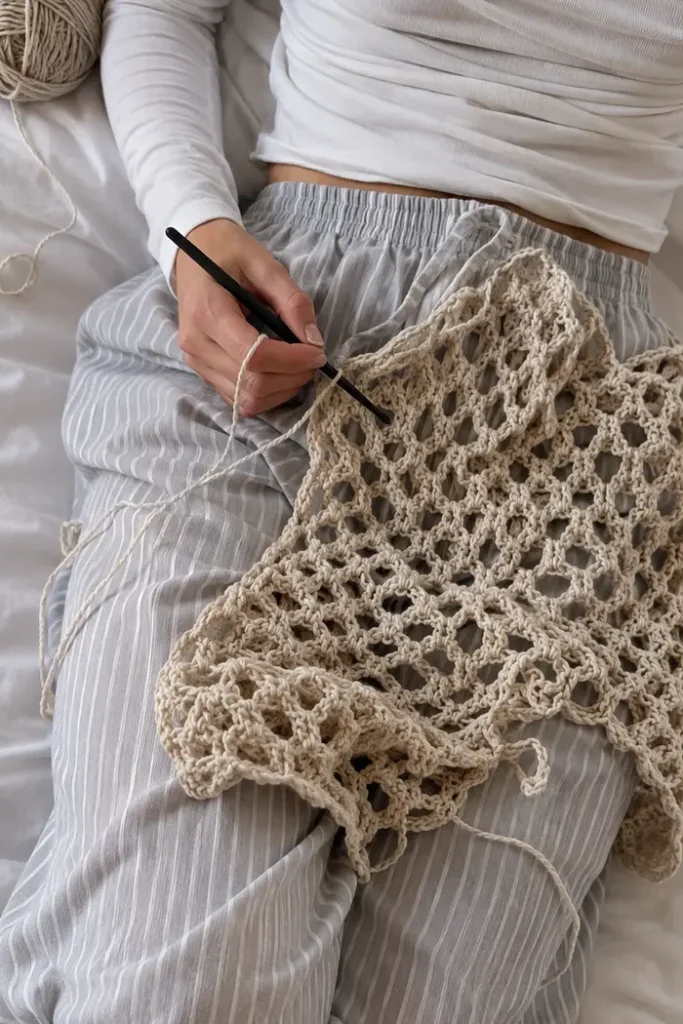
Crochet has the exact rhythm slow living loves: loop, pull, repeat. There is something very calming about watching a cream-colored piece of fabric grow across your lap while you are still in soft pajamas and nowhere urgently needs you.
You do not have to become a fiber-arts prodigy, either. Crochet, knitting, embroidery, mending, or even a very wonky first scarf all count. Pick a project simple enough that your hands can learn the motion, then let repetition do the rest. Bonus points for leaving your phone on the other side of the room.
3. Go Outside Just to Notice What Is There
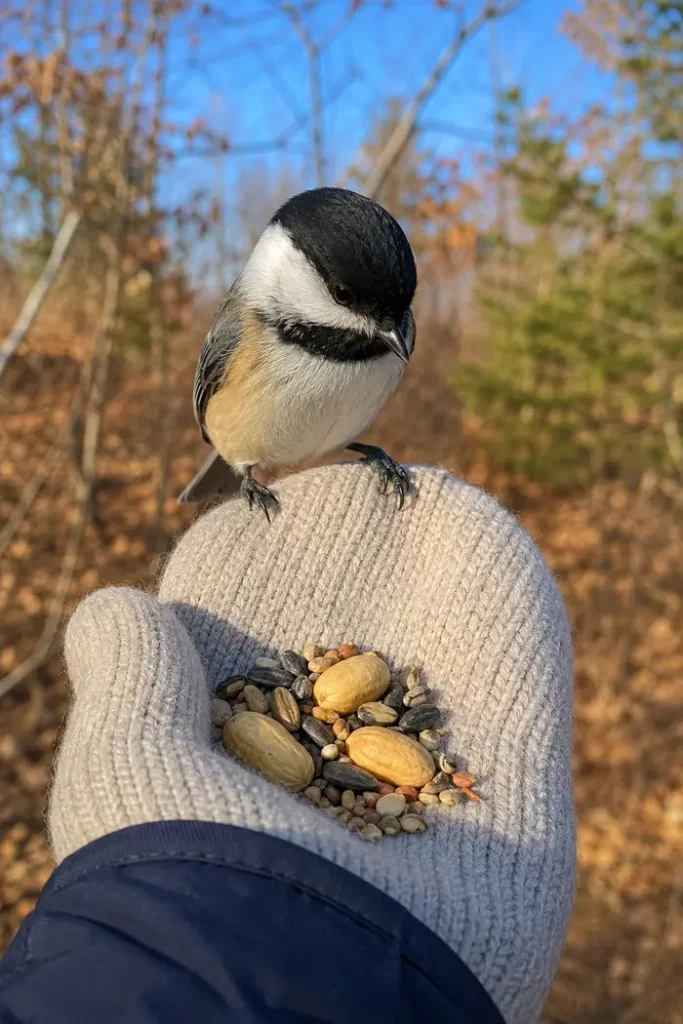
Birdwatching is sweet because it asks you to stop moving long enough for the world to come to you. A tiny chickadee perched near a mitten full of seeds is the kind of moment you only catch when you are not rushing through the outdoors like it is a hallway between appointments.
Sit near a window, take a quiet walk, or spend twenty minutes by a feeder and see what shows up. Leave the headphones off for once. If hand-feeding wildlife is discouraged where you live, keep a respectful distance and simply watch. The activity is noticing, not collecting proof that you noticed.
4. Bake Something Without Trying to Make It Efficient
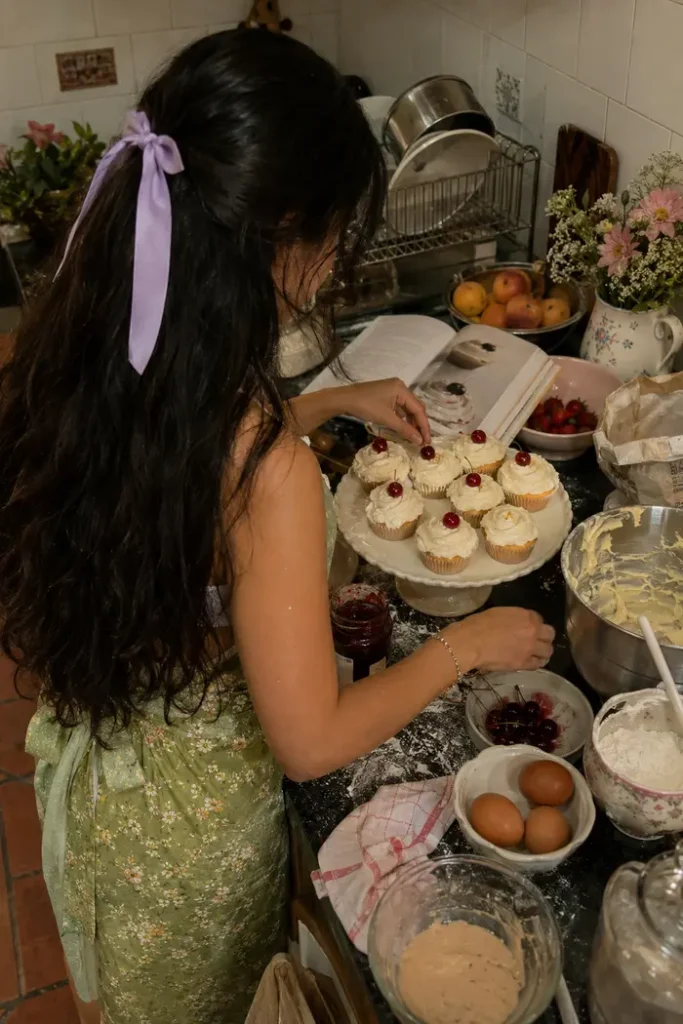
There is a very specific kind of happiness in a kitchen that looks properly used: an open cookbook, bowls everywhere, frosting on the counter, and cupcakes waiting for their little cherry moment. Slow baking is not meal prep. It is choosing a recipe because making it sounds nice, not because it is the fastest route to calories.
Pick something with a few steps and give yourself the afternoon. Play music. Lick the spoon. Let the frosting lean a little to one side. The point is not bakery perfection, it is letting the process be part of the pleasure instead of something to rush through.
5. Make One Tiny Thing With Your Hands
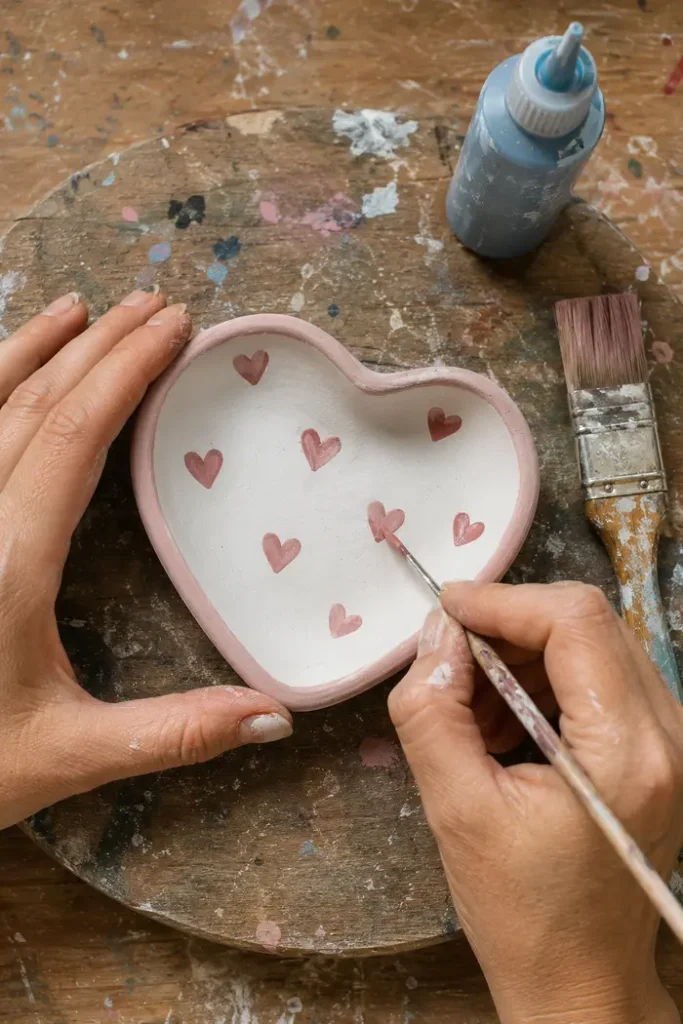
A heart-shaped ceramic dish covered in hand-painted pink hearts is proof that a project does not need to be useful, impressive, or remotely necessary to be worth making. Tiny crafts are ideal slow living activities because they give you one small thing to focus on from beginning to end.
Try pottery painting, air-dry clay, a hand-painted tray, a little trinket bowl, or a card for someone you love. Keep the design simple enough that you can enjoy the brushstrokes instead of turning into your own extremely demanding art director. Slightly uneven hearts have more charm anyway.
6. Make Breakfast the Plan, Not the Prelude

A slow breakfast with friends is one of those plans that sounds almost too basic until you actually do it. Pajamas, citrus on the counter, orange juice in a pitcher, one person stirring the pot while everyone else talks over each other, suddenly the morning feels like an event without needing a reservation.
Choose a weekend and invite people over before anyone has had time to become busy. Make eggs, pancakes, fruit, toast, whatever feels easy. Keep the phones off the counter, pour another glass of juice, and let breakfast slide into late morning. A meal gets so much better when nobody is already mentally leaving it.
7. Turn a Plain Candle Into a Little Art Project
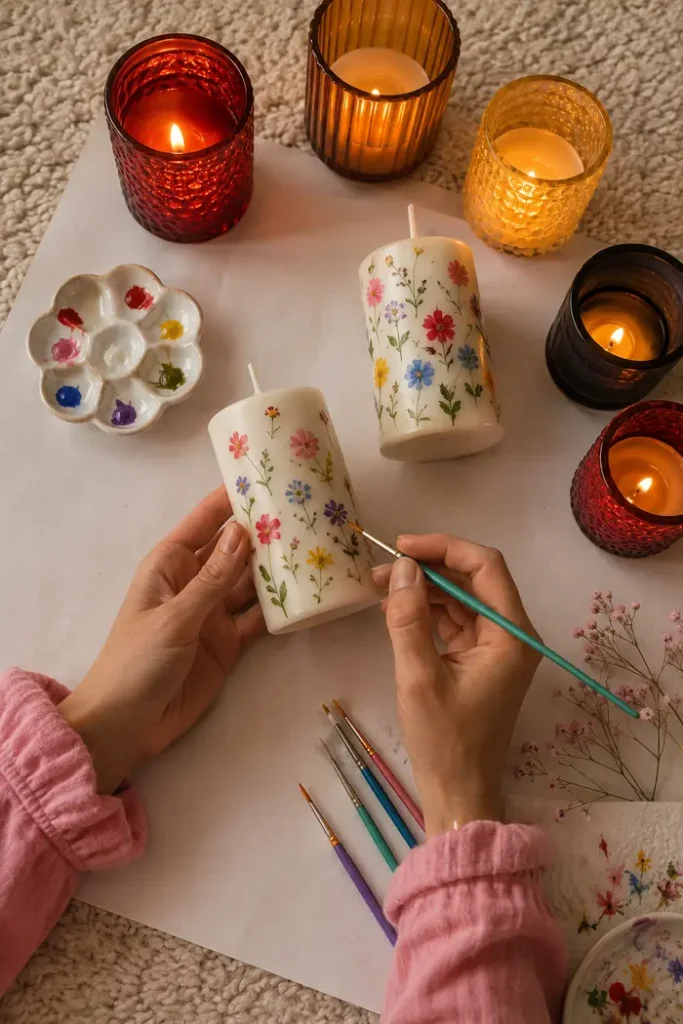
Painting tiny wildflowers onto plain pillar candles is exactly the kind of unnecessary prettiness slow living does so well. You sit down with a tiny brush, a few colors, and one object, then suddenly an hour has passed and you have made something that feels personal enough to keep on display.
Use candle-safe paint or wax pens, and keep decoration well away from the wick if you plan to burn the candle. Florals, little bows, fruit, initials, stars, anything goes. This is especially cute as a craft night with a friend, but doing it alone with a playlist and a cup of tea is equally elite.
8. Read Somewhere the Light Changes While You Are There

Reading outside hits differently when you stay long enough to watch the whole place change color. Take a book, a blanket, and a tote to a hill, park, beach, backyard, or any patch of grass with a decent view. Then stay until golden hour starts doing the most.
Do not make finishing a chapter the goal. Read a few pages, look up, stare at the sky, read a few more. Slow living is partly relearning that your attention does not have to be locked onto something every second. Sometimes the pause between pages is the best bit.
9. Make Your Bath Feel Like an Appointment With Yourself
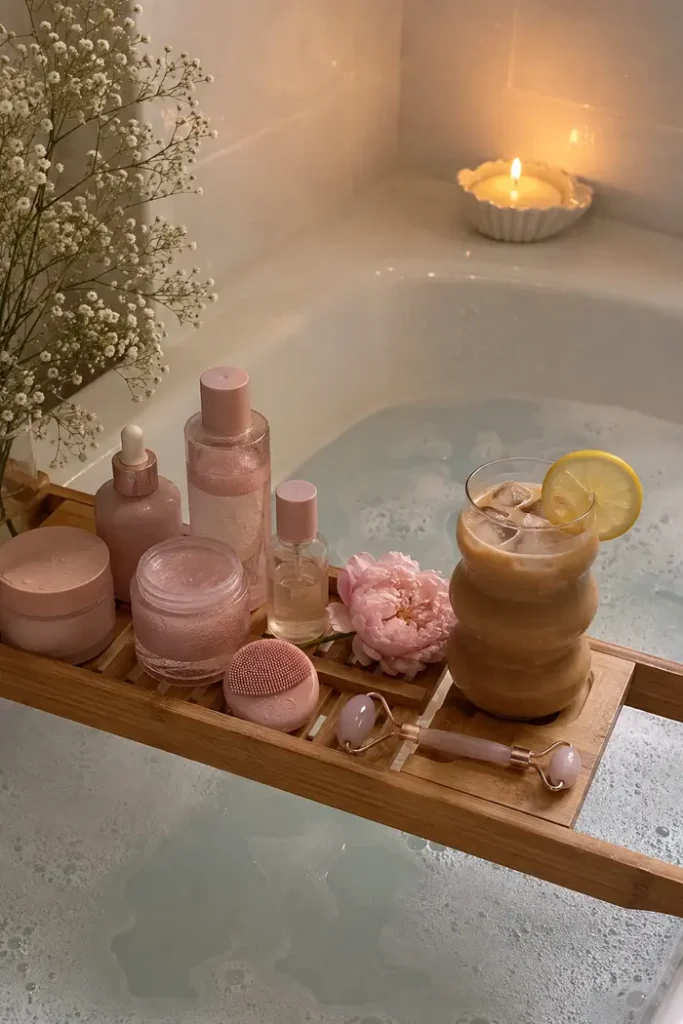
A bath tray with skincare, a candle, a pink flower, and an iced drink looks gloriously extra, but the ritual itself can be very low effort. The point is to stop treating rest like the leftover activity you are allowed to do only after every possible task has been completed.
Use what you already own. Run the bath, light one candle, bring a drink, put on a face mask, and leave the phone somewhere dry and inconvenient. You do not need matching pastel products or a twelve-step routine. You need twenty quiet minutes where nobody, including you, is asking you to optimize anything.
10. Press Flowers and Turn Them Into Something You Can Keep
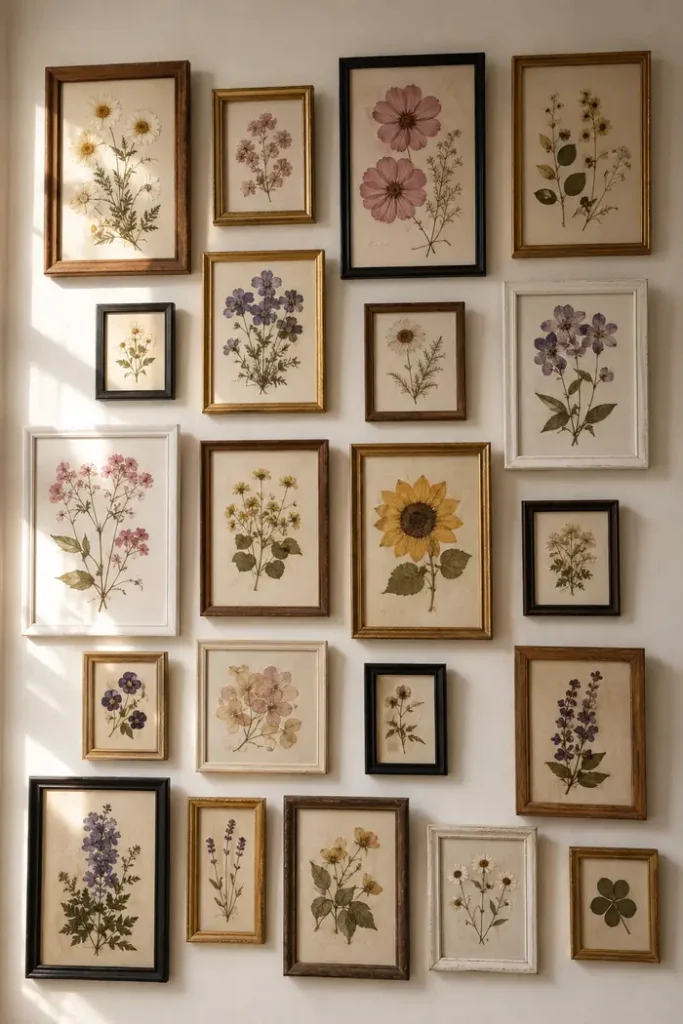
Pressed flowers have that old-fashioned, romantic quality that makes a home feel collected instead of decorated in one frantic afternoon. A whole gallery wall of framed stems is gorgeous, but you can start with one tiny frame and a flower from a bouquet you were going to throw away.
Flatten petals between sheets of paper inside a heavy book, give them time to dry, then arrange them in simple frames. Use bouquet leftovers or flowers you are allowed to pick, especially in public or protected areas. The waiting is part of the activity. Not everything needs to be finished by tonight.
11. Give Your Home a Five-Minute Sensory Reset
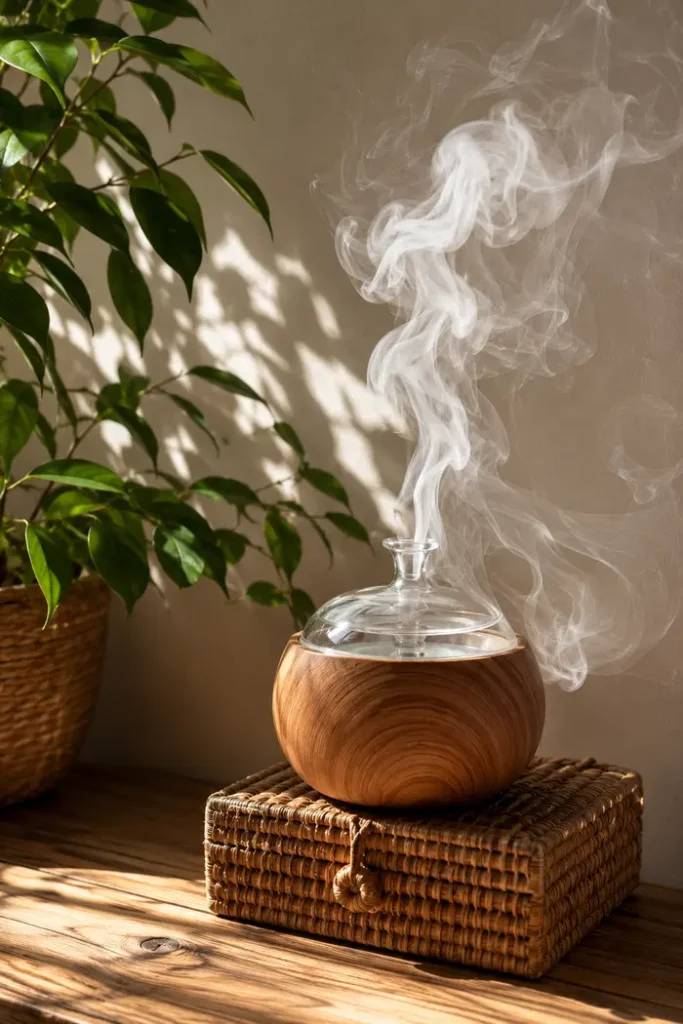
A wood-grain diffuser sending a soft plume of scent through a patch of afternoon sun is very Pinterest, yes, but the useful part is the sensory reset. Slow living often starts with changing the feeling of a room enough that you actually notice you are in it.
Open a window. Clear one surface. Turn off the background TV. Use a diffuser, light a candle, or simmer citrus peel if scent helps you settle. Then sit there for five minutes before moving on. No productivity stack, no habit tracker, no dramatic life overhaul. Just a small signal to your brain that this moment is allowed to exist on its own.
The Point Is to Leave Some Space Unfilled
Slow living is not a beige aesthetic, a personality type, or a new category of things you need to buy. It is a practice of doing ordinary things with enough attention that they stop disappearing from your memory the second they are over.
Pick one activity that genuinely sounds good and repeat it often enough that it becomes part of your life. Start with the one that made you want to close this tab and go do it. That tiny urge is probably the whole answer.
Related posts:
 How to Dress When You Have No Waist: Easy Styling Tricks That Make Outfits Look More Defined
 How to Reset Your Life When Everything Feels Off (Without Blowing It All Up)
 The That Girl Morning Routine That Actually Feels Doable (Even If You’re Not a Morning Person)
 How to Grow Thick Hair Without Turning Your Bathroom Into a Lab
